LVAD Surgery in South Jersey: Ward’s Heart Failure Story
When Breathing Became a Struggle
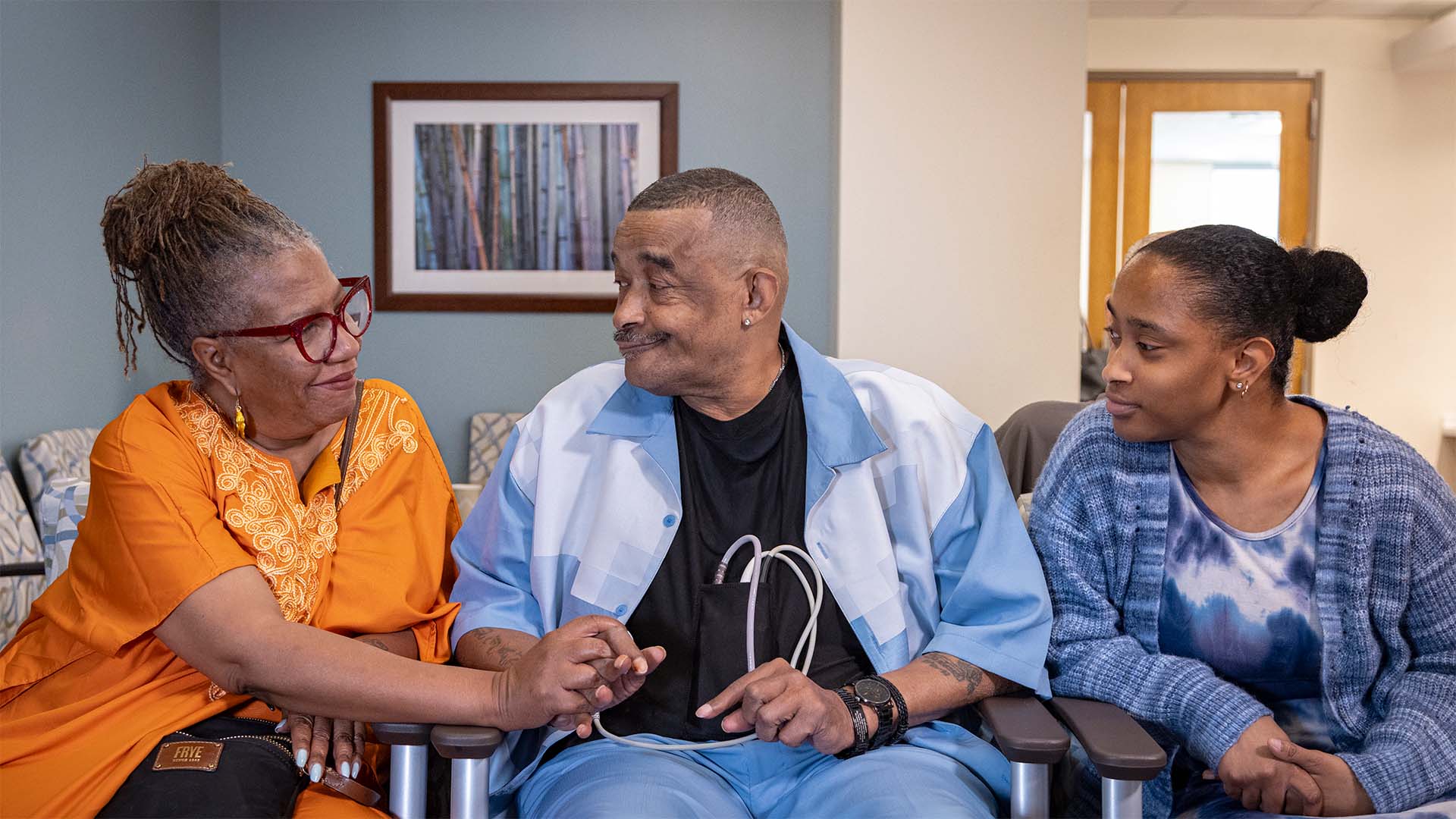
At 63, Ward — a father of four, grandfather of two, and lifelong sports fan living in Camden, NJ — has always enjoyed the simple things: time with family, attending sports games, and getting outside. But over time, his heart failure began to take more and more of these moments from him.
“I had a lot of fluid buildup in my legs, so I couldn’t walk far or even go up and down the stairs,” Ward recalls. “I’ve had congestive heart failure for a long time, but I didn’t take it seriously at first,” he says.
Heart Failure Symptoms Take a Turn
Like many people living with chronic heart conditions, his symptoms were manageable until they began to interfere with his day-to-day life.
“It got to a point that I couldn’t breathe,” he recalls. The shortness of breath made even simple movements — like walking a few steps — a challenge. As his symptoms began to limit his mobility and time with his children, Ward knew something had to change.
That’s when his care team at Cooper and Inspira Cardiac Care introduced an advanced treatment option: a Left Ventricular Assist Device (LVAD).
What is an LVAD?
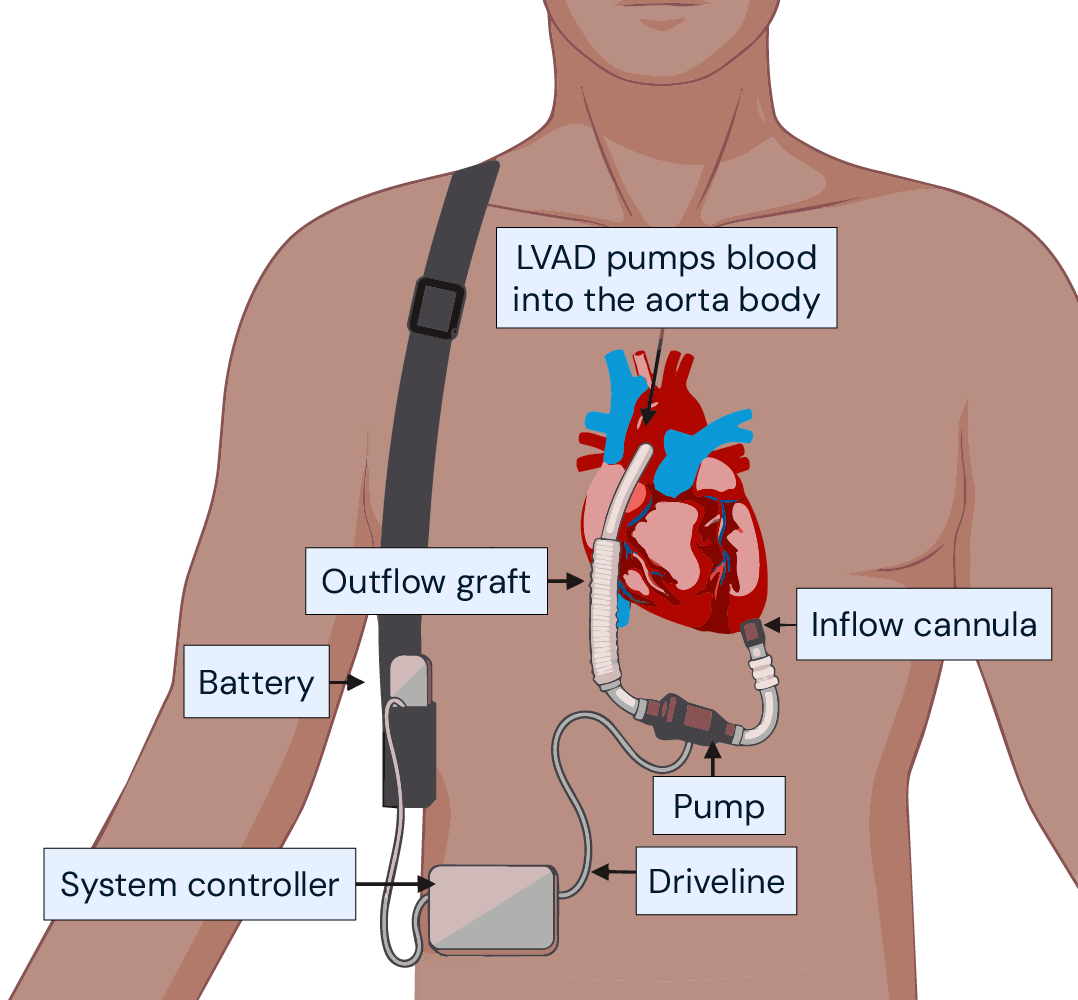
A Left Ventricular Assist Device (LVAD) is a small mechanical pump that helps a weakened heart circulate blood throughout the body. Used to treat advanced heart failure, it can relieve symptoms and help patients regain strength, independence, and quality of life.
Understanding the LVAD Procedure: A Life-Saving Option
At the time, Ward’s heart function had dropped to just 15% — a dangerously low level, compared to the typical 50–70% range in a healthy heart.
It was then that Ketan Gala, MD, Clinical Cardiologist and Medical Director of the Advanced Heart Failure Program, and the cardiac care team sat down with Ward to walk him through how LVAD therapy works.
Using a water demonstration, they showed how the device helps circulate blood, giving Ward a clear picture of how it could support his heart when medications were no longer enough. As the team walked him through each step, Ward became more interested. By the end of the conversation, the decision became clear. “I said, ‘Okay, let’s do it.’”
How Does an LVAD Work?
- A small device is implanted in the chest.
- It connects to a controller and portable batteries.
- Battery power allows for free movement throughout the day.
- A monitor tracks performance in real time.
- Simple daily care keeps the system functioning properly.
- Many patients return to everyday activities.
A Turning Point in Advanced Cardiac Care
Ward underwent LVAD surgery at Cooper University Hospital in April. Following surgery, he spent over a month in the hospital, including nearly two weeks in the ICU as his body adjusted to the device.
“When I first woke up, it was kind of rough,” he recalls. But day by day, things began to improve.
With the support of his physicians, nurses, and rehabilitation specialists, Ward gradually regained strength and independence.
“I had rehab therapy — working on walking, getting up and down steps, and doing things on my own, like getting dressed — and then everything started coming together.”
Life After LVAD Surgery: A New Normal
“When they sent me home from the hospital, that’s when I really felt it,” Ward says. His breathing became easier, and moving around felt less like a struggle.
Today, nearly a year later, he’s back to doing what he loves — cheering on his favorite Philly teams, getting out to his family’s games, and walking without the shortness of breath and fatigue that once held him back.
“It’s just like everything’s gone,” he says of his long-time heart failure symptoms.
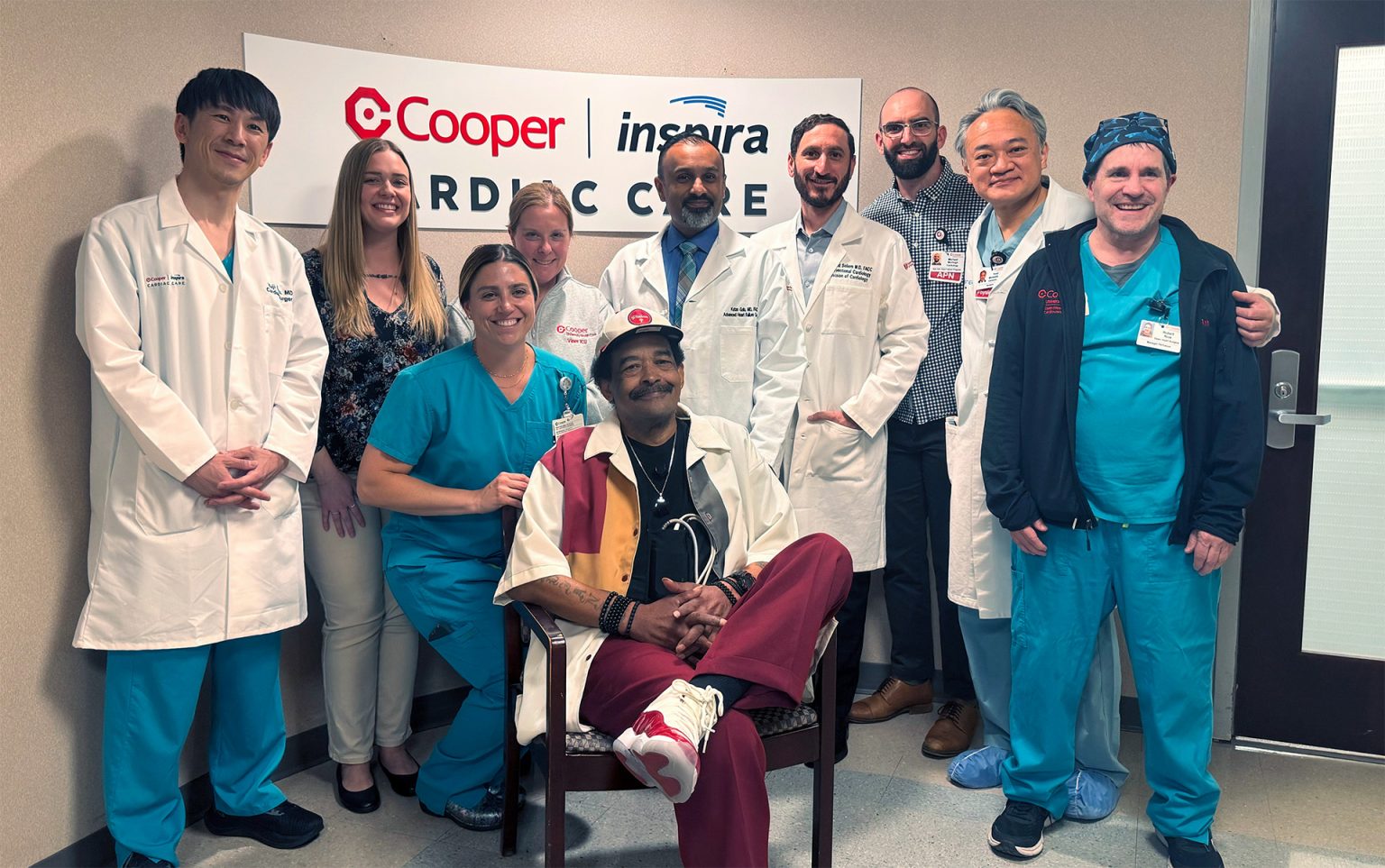
Living with an LVAD Device
Ward now manages his LVAD with a small external system that supports his heart’s function. “I have two batteries, a monitor, and a driveline,” he explains. The batteries last about 17 hours, and he changes the dressing at the driveline site every few days as part of his routine care.
While the daily upkeep has become part of his routine, Ward credits his care team for helping him adjust every step of the way.
“My LVAD is working very well,” he says. “Everything is going as planned thanks to my team. Everybody up on that ninth floor is perfect.”
Back to What He Lives For
For Ward, choosing LVAD therapy came down to one thing: family. “I live for my family,” he says. “That’s what makes everything worth it.”
Wondering if LVAD therapy is right for you? Schedule an evaluation with a Cooper and Inspira Cardiac Care specialist.